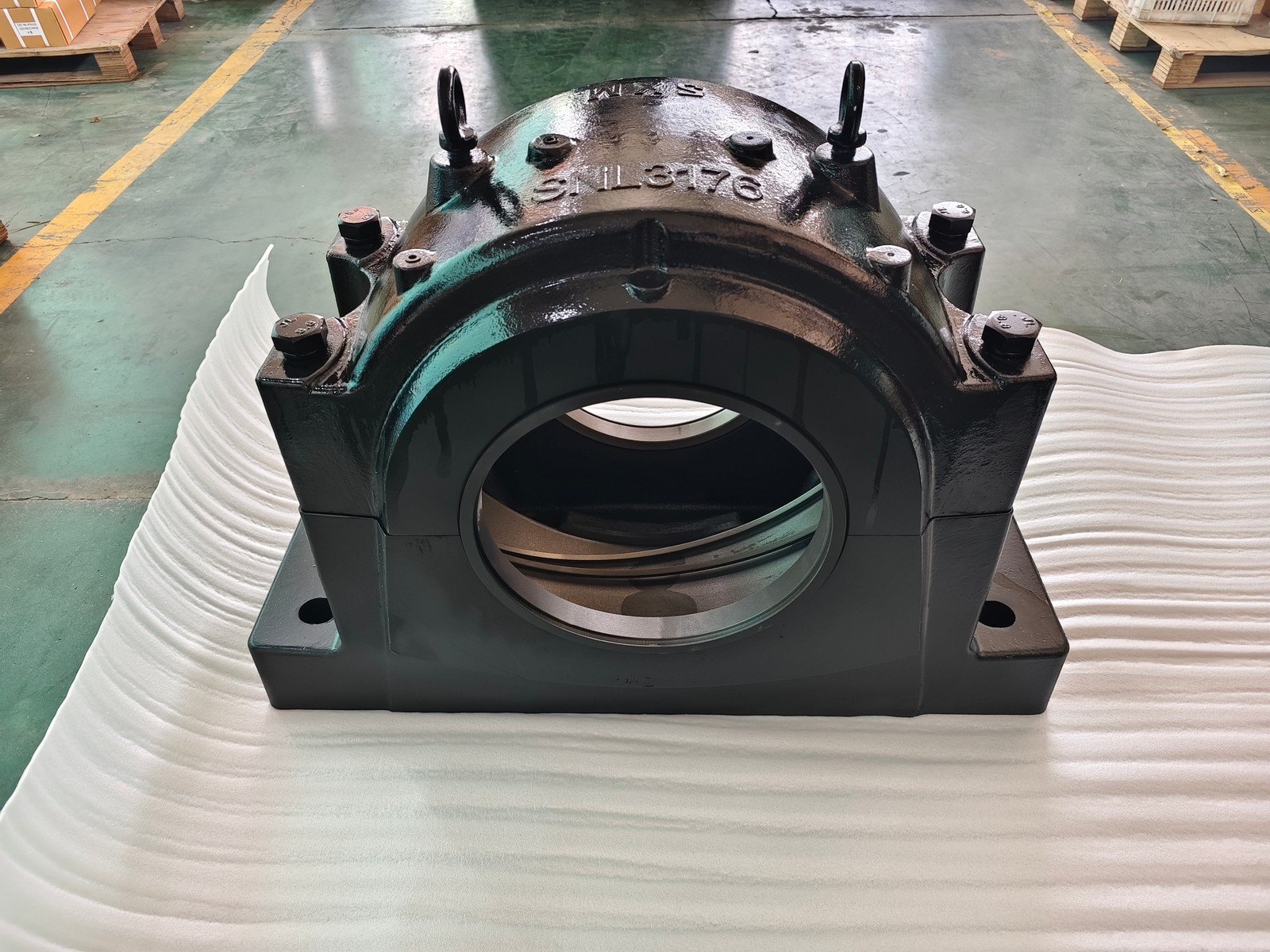
An industrial spare bearing storage review should connect the exact part identity, packaging condition, storage history and applicable manufacturer guidance before a spare is released for installation. A clean carton or an old purchase date alone cannot establish condition or suitability. Record missing information, keep questionable items under review, and ask the responsible technical contact what evidence is needed. If a replacement is required, use the same documented specification in the new enquiry.
This guide is for industrial distributors, purchasing teams and maintenance planners preparing a shutdown or reviewing older inventory. It provides a purchasing and documentation workflow. It does not certify a stored bearing, prescribe a universal shelf life, or authorize installation of an unidentified component.
Why a stock balance is not a release decision
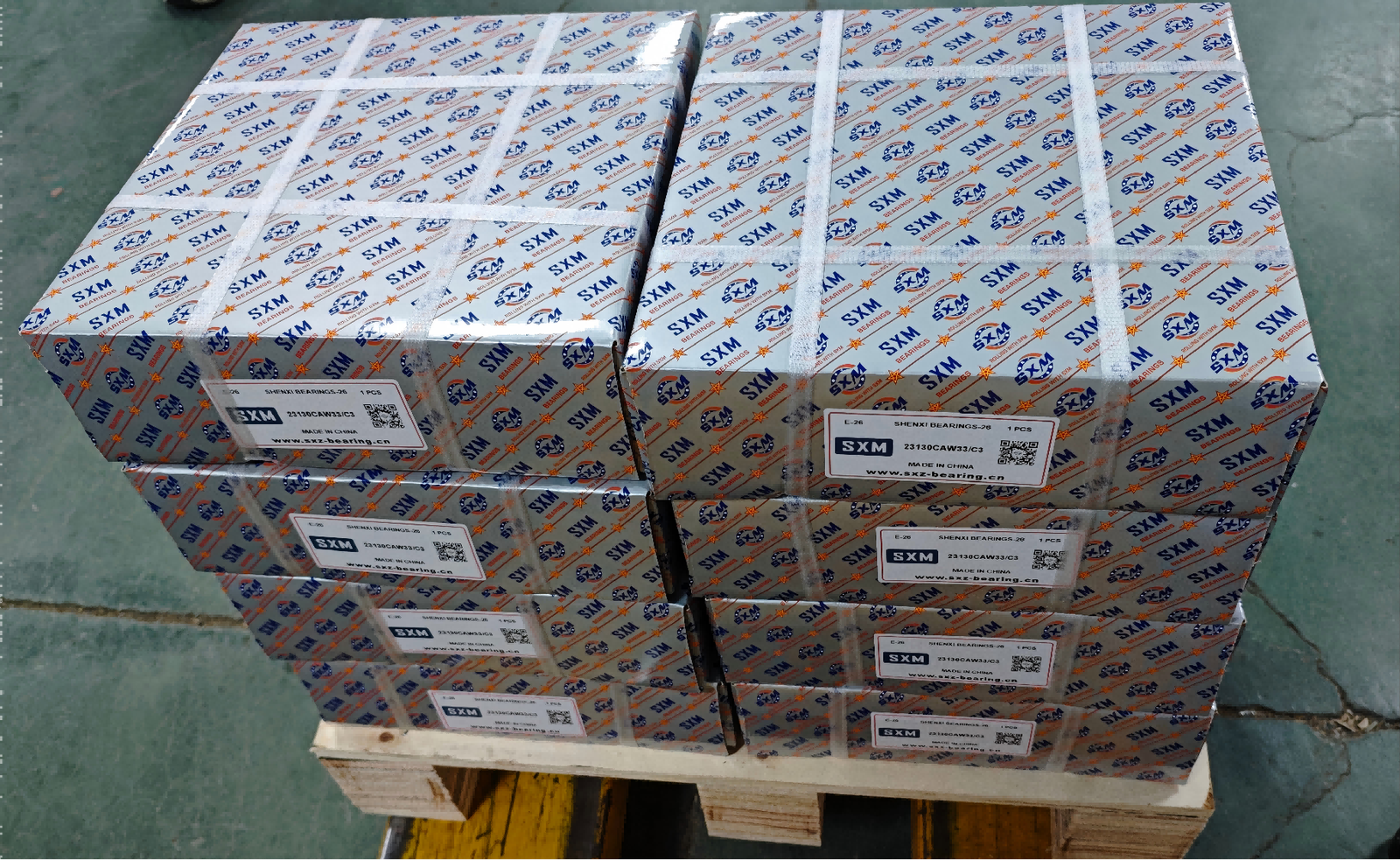
A maintenance system may show that a spare exists without recording how it has been stored. A warehouse label can also preserve a shortened part number while the purchasing file contains additional suffixes. Those gaps become important when a planner needs to know whether the available item can enter the installation process.
Separate inventory availability from technical release. “One unit in stock” describes a count. “Identity and condition reviewed against the requirement” describes a decision with supporting evidence. Keep both fields so a stock allocation is not mistaken for approval.
Start the review early enough to request missing documents or seek another quotation. If uncertainty appears during shutdown preparation, record the actual open question rather than replacing it with an assumption. A spare should remain connected to its documentation as it moves between stores, purchasing and maintenance.
Confirm the complete identity before discussing age
Compare the label, purchase record and requested position
Collect the full manufacturer and designation from the available packaging, purchase order and approved stock record. Include suffixes, paired-component references and any separately identified accessories. Preserve photographs of readable labels rather than transcribing only the digits that look familiar.
Check which machine position requires the spare and which document defines that requirement. A historical purchase for another position does not settle the present need. If a machine has been modified, ask the equipment owner which revision applies before comparing the stored item with the current request.
The spherical roller bearing product page can help frame a family-specific enquiry. Use it as a starting point, then identify the exact requested reference. The family name does not establish the configuration of a particular stored spare.
Preserve conflicting identities
If the carton, stock system and order record disagree, keep each version and its source. Ask which document supports the final description. Do not correct a box label from memory or assume that a nearby invoice belongs to the item.
Where the bearing remains protected inside its packaging, photograph the available external identity first. Opening it is a separate handling decision that should follow the applicable instructions and agreed review scope. A demand for an internal photograph should not automatically trigger unnecessary unpacking.
Read storage guidance for the actual product and packaging
NSK’s bearing-storage technical note distinguishes individually packaged ungreased bearings, individually packaged greased bearings and bulk-packed bearings. Its recommendations depend on stated storage conditions. Those distinctions support asking for product-specific guidance rather than assigning every spare one expiry period. They are NSK reference conditions, not an SXM shelf-life guarantee. NSK Bearing Storage, Technical Insight TI/E/0018.
Record which document applies and where it came from. If the product’s preservation or lubricant information is unknown, mark that gap and ask the supplier or manufacturer what further evidence is required. Keep the answer with the exact reference under review.
Do not transfer a storage period quoted for one manufacturer’s product, package type or environment to another item. A numerical age rule copied from an online discussion may conceal conditions that were never met or documented for your stock.
Review the protective packaging without hiding its history
Distinguish shipping damage from an identified product issue
Record the condition of the shipping carton and the available protective packaging separately. Photograph visible wetting, crushing, tears, broken closures or unclear labels. State whether the observation concerns the outer shipping container or a protective layer closer to the bearing.
A damaged outer carton does not, by itself, prove bearing damage. An intact-looking carton does not prove that every inner layer remained protected. The useful next step is to document the observation and ask what inspection or further review is appropriate.
Keep the original packaging available while a discrepancy is being resolved. Reboxing an item into a clean container without retaining the earlier record can remove useful evidence. If protective repacking is necessary, document who performed it, why, and which instructions or agreed process applied.
Keep opened and unopened stock distinguishable
Record whether the package has previously been opened and whether a reliable opening or repacking record exists. “Unused” describes reported use history; it does not establish that the packaging was never opened or that preservation remained effective.
Do not replace the original identity with an undated handwritten label. Keep a link between any new protective container, the original designation and the review record. That makes later stock selection easier to audit without repeatedly opening the item.
Reviewing an older spare with incomplete records? Send SXM the full reference, available packaging photos and your open questions. State whether you need replacement identification, a quotation, or clarification of the documents available for review.
Reconstruct storage history from records, not recollection alone
Record what is known about the storage environment
Ask where the item was stored and whether there are records of relocation, water exposure, temperature changes or other relevant events. Distinguish a recorded event from a general description such as “kept in the warehouse.” State which periods lack reliable information.
NSK’s handling guidance recommends attention to storage location, humidity, stable temperature, careful retrieval and packaging protection. Use the applicable manufacturer’s requirements to evaluate your own environment; this article supplies no universal environmental acceptance limit. NSK Bearing Handling, storage section.
Create a short timeline when stock has moved between sites or passed through several owners. A transfer date, receiving record or incident photograph may help establish what can actually be confirmed. Where the history ends, write “unknown” rather than presenting an uninterrupted storage claim.
Keep receiving date separate from other dates
A warehouse receiving date is not automatically a manufacture date. An invoice date is not automatically the start of a preservation period. A batch or package code should be interpreted using the relevant source documentation rather than a guessed decoding rule.
Record each date with a label and source. If a supplier confirms what a code means, retain that explanation. Do not calculate a pass/fail age from the first date visible in the file unless the applicable guidance establishes that basis.
Keep grease and preservation questions explicit
For a greased or capped bearing, ask what lubricant information and storage guidance are available for the exact execution. For an ungreased bearing, ask what preservation and packaging information applies. If neither is confirmed, keep the question open.
Do not infer the lubricant condition from a suffix alone or from a picture of a seal. Likewise, a film on a surface is an observation requiring context, not automatic proof of the correct preservative. Record visible changes without assigning a cause from the photograph.
Opening, cleaning, replacing grease or adding preservative changes the review scope. Have the responsible technical party establish the appropriate procedure and acceptance criteria first. Purchasing should not promise that a simple cleaning or regreasing step will restore an uncertain spare to an acceptable condition.
Define a review outcome that stores and maintenance can use
Use a small set of clearly explained outcomes. For example, a record may say the required evidence is complete and an authorized reviewer has released the item, that additional information is needed, or that the item is excluded from the planned installation pending a different procurement decision.
These are suggested administrative descriptions, not universal engineering acceptance classes. Your organization’s responsible reviewer should define the actual criteria and approval authority. Keep the decision, date, reference and supporting document together.
Avoid a vague “checked” stamp. State what was checked and what was outside the review. A label-identity check, for instance, does not mean a dimensional or internal-condition assessment was performed. The record must not imply inspection results that nobody obtained.
A practical stock-review evidence checklist
Use the following structure to organize the review. It records the questions to resolve; it is not a certificate of bearing condition.
| Record field | Evidence to collect | Question to resolve |
|---|---|---|
| Part identity | Full label, designation and purchase reference | Do these describe the same item? |
| Intended position | Current requirement and drawing revision | Is this the documented requested configuration? |
| Package history | Original photographs, opening or repacking record | What protection history can be confirmed? |
| Dates | Clearly labelled dates and their source | Which date is relevant to the applicable guidance? |
| Storage history | Locations, transfers and recorded events | Where is the history incomplete? |
| Product guidance | Relevant manufacturer document | Which conditions and limitations apply? |
| Observations | Labelled photographs and factual notes | What further review is needed? |
| Decision | Responsible reviewer and supporting record | Is the item released, pending or excluded? |
Assign a single review identifier and keep copies accessible to stores and maintenance. If several bearings have similar packaging, ensure each record identifies the actual item or documented lot concerned. A photograph of one carton should not silently become evidence for all stock sharing a basic number.
An illustrative case with an unknown storage interval
Consider a planner who finds a spare with a readable carton label, an older invoice and no documented receiving date. Maintenance also has a drawing revision that differs from the revision recorded on the original requisition. This is an illustrative workflow, not an SXM customer case.
First, record the identity sources and the missing timeline. Second, ask the equipment owner which drawing defines the current need. Third, request applicable storage information and clarification of any product or packaging details that remain unknown.
The review may still need further evidence. Keep that conclusion visible instead of calculating an expiry date from the invoice or relying on the carton’s appearance. If the item cannot be released for the planned job, purchasing can prepare a replacement enquiry using the now-clarified requirement.
Turn an unresolved stock question into a useful replacement RFQ
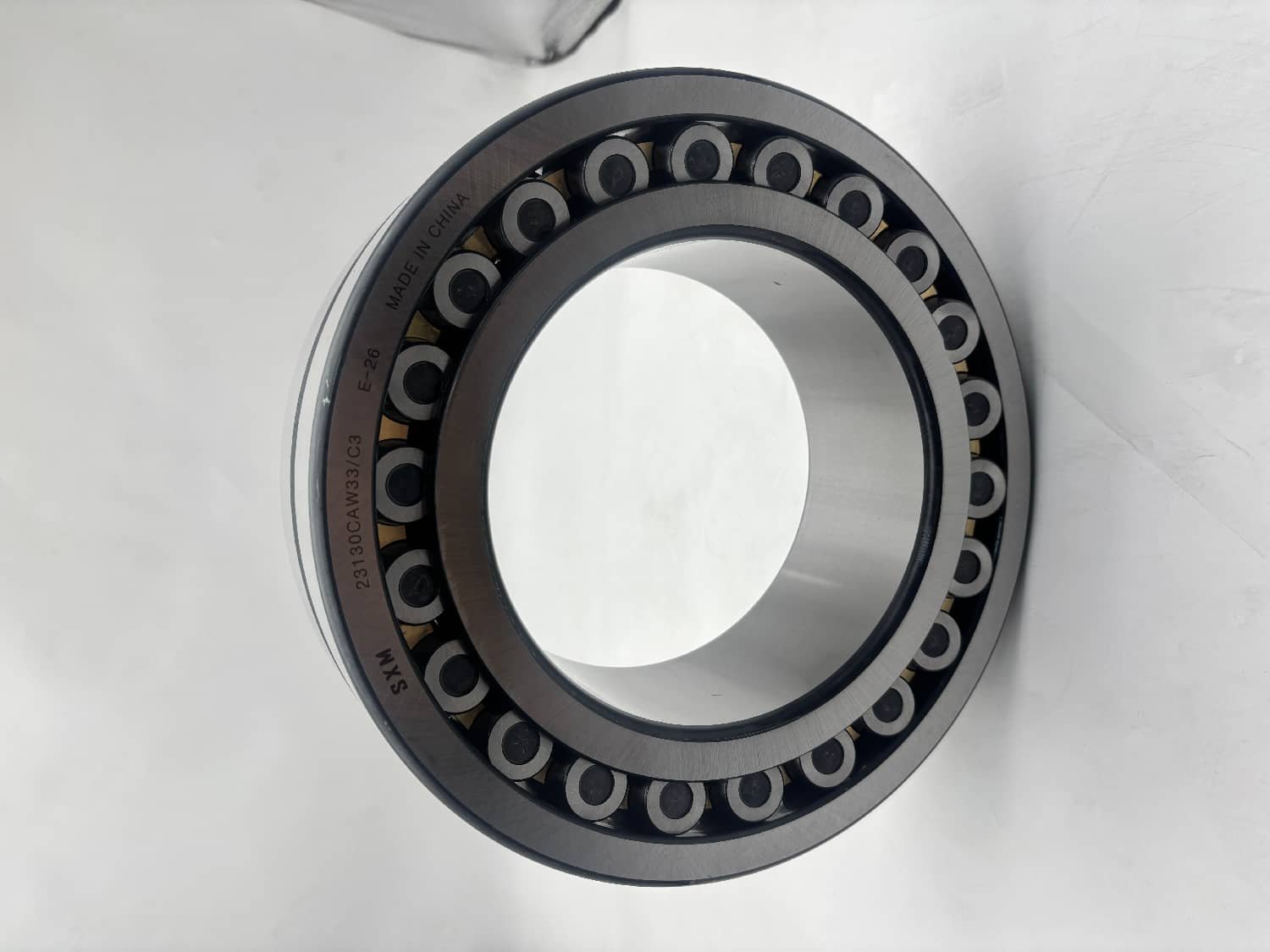
A replacement request should preserve the exact requirement that the storage review established. Include the full bearing designation, quantity, machine position, relevant drawing and any separately identified accessories. State which features are confirmed and which require supplier clarification.
The cylindrical roller bearing page provides another family entry point when that is the documented requirement. Do not change bearing family or configuration simply because a different item is easier to find or has a more recent purchase date.
Ask the supplier to identify the exact offered reference, packaging scope and available documentation. Request written clarification of differences from the original requirement. Price comparison should follow the same documented specification rather than treating all similar numbers as equivalent.
Agree receiving and recordkeeping requirements for the next order
Use the review to clarify what information the next purchase should retain. A proposed order might request readable identity photographs, a packing list tied to the shipment, and the applicable storage or handling information that the supplier can actually provide. Agree these requirements in the quotation or order record.
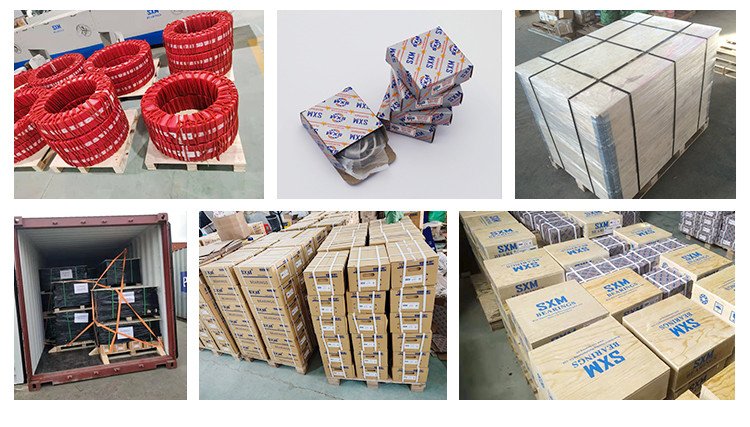
For SXM’s general packaging presentation, see SXM Proper Package Way. That page provides company packaging context; it does not establish the preservation history or condition of a particular delivered or stored bearing.
At receiving, connect the actual delivered identity and supplied documents to the stock record. Record any discrepancy through the agreed review process. Avoid making a generic website photograph stand in for an actual shipment photograph or a completed inspection report.
Keep review history when stock is transferred or returned from a planned job. An unopened return, an opened item and a component whose protection history is uncertain should not become indistinguishable in the inventory system.
Frequently asked questions
Do industrial bearings have one universal shelf life?
No single period can be applied from this guide. Use the exact manufacturer’s guidance for the product, packaging and documented storage conditions. Keep unknown history visible and ask the responsible technical party what further review is needed.
Does an unopened carton prove that a spare is ready to install?
No. Preserve the packaging record, confirm the complete identity and review the available history against the applicable guidance. A carton condition check is only one part of a documented release decision.
Should I open every spare to photograph the bearing marking?
Do not open protected stock automatically. Start with the available external identity and documents. Agree whether opening is necessary and how the item will be handled and protected under the relevant instructions.
Can I use the invoice date as the manufacturing date?
Record it as an invoice date unless a reliable source establishes another meaning. Keep manufacture, receiving, inspection and repacking dates separate. A guessed date should not become the basis for an expiry calculation.
Can SXM certify an old bearing from packaging photographs?
Packaging photos can help communicate identity and visible condition. They do not establish the full internal condition or every storage event. Send the evidence and ask which review or replacement information can be provided; no certification is promised here.
What should I send when storage history is unknown?
Send the complete reference, available packaging and label photos, known dates and sources, intended machine position, drawing and quantity. List the missing history explicitly and say whether the immediate need is information review or a replacement quotation.
Meet SXM in Shanghai this December

SXM will be at Booth 3HC002, Hall 3H, during the 2026 China International Bearing Industry Exhibition, 9–12 December 2026, at the National Exhibition and Convention Center (Shanghai). Bring the complete designation, position record and available drawing or photographs to support a focused discussion.
For exhibition information, use the official organizer website. To arrange visitor registration, open the official English visitor registration form, complete the required personal and company information, continue to the questionnaire, and follow the organizer’s submission confirmation and current admission instructions. Registration is handled by the organizer.
To request a meeting with SXM, contact our team separately with your preferred visiting date, bearing references and questions. A meeting time is subject to confirmation by our team.
Conclusion
A useful storage review connects a spare to its identity, protection history, applicable guidance and a documented decision. It also gives purchasing a clearer requirement when replacement is necessary. Keep records factual, preserve unresolved questions and make the release authority explicit before the spare enters installation preparation.
Contact SXM for a replacement bearing enquiry with the full reference, quantity, machine position, drawing or photos and the issues your storage review has identified. Ask for the exact offered item and available supporting documents.