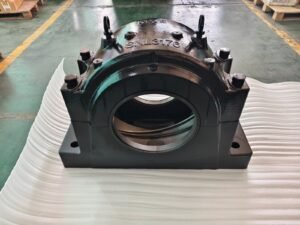
Split plummer block housing identification starts with separate records for the housing, installed bearing and associated components. Photograph the complete housing marking, identify the actual shaft position, and obtain the applicable assembly drawing or parts list. Keep seals, covers, sleeves and locating components in the enquiry where the drawing requires them. A housing number alone does not establish the bearing inside it or everything included in a supplier’s quotation.
This guide helps purchasing teams, distributors and maintenance planners define an existing assembly before discussing replacement. It provides a document workflow rather than an installation procedure. It does not certify a cross-brand equivalent, select a locating arrangement or confirm that SXM supplies a particular housing series. Confirm the offered scope and supporting documents for the actual enquiry.
Start with the assembly, not an isolated casting number
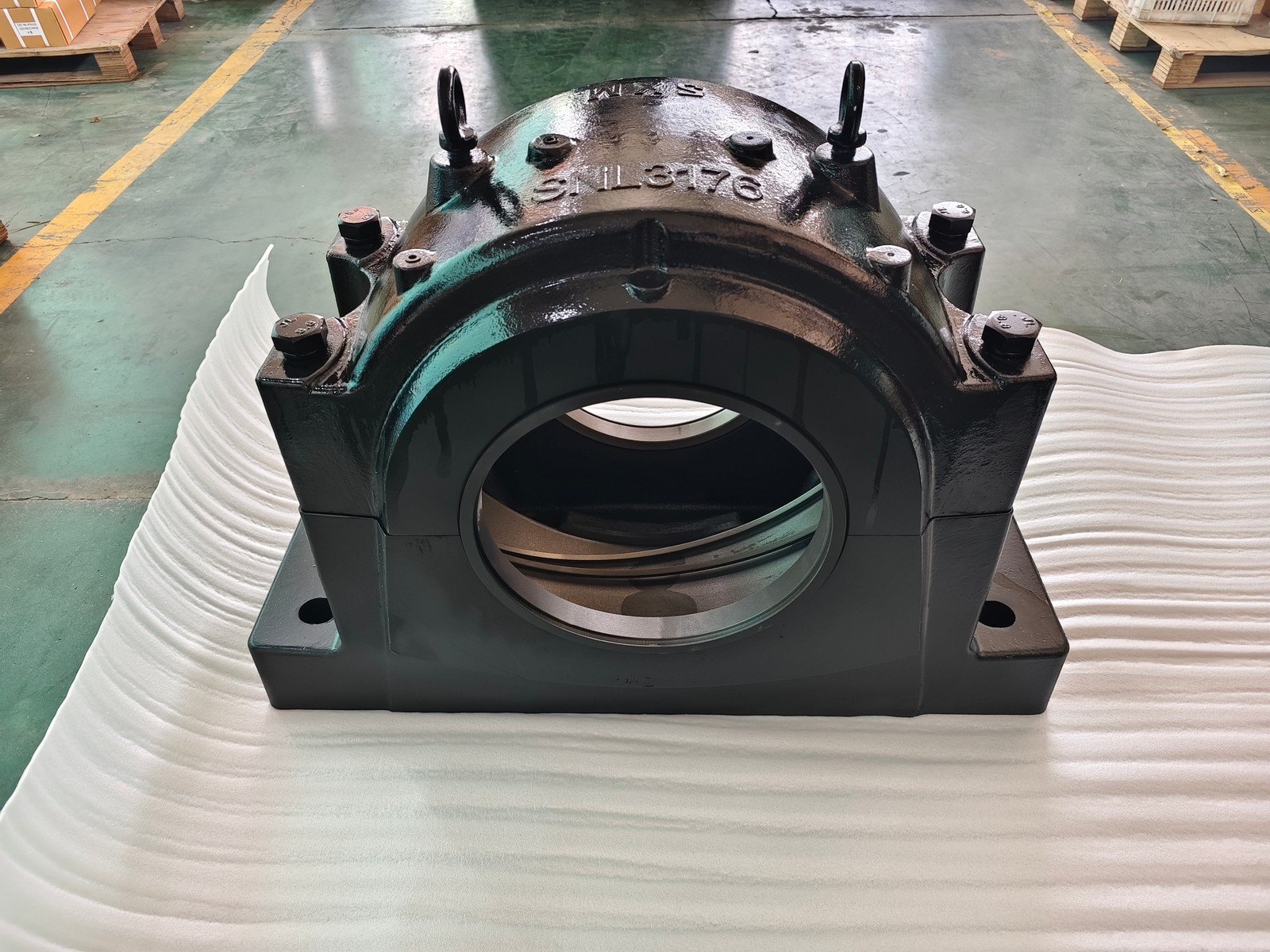
A request may describe “one plummer block,” while the purchasing contact means a bare housing and maintenance expects a complete bearing assembly. Another supplier may understand the same phrase as a housing with seals but without the bearing. Define the requested scope before comparing prices.
Ask which machine and shaft position the item belongs to. Give that position an identifier and keep the same identifier on the photographs, drawing extract and quotation request. If two supports appear similar, record both separately until the responsible equipment contact confirms their requirements.
Start with an overview showing the complete housing and its surrounding arrangement. Record whether the enquiry concerns the entire assembly, the housing, a bearing or specified accessories. Mark uncertain scope explicitly. “Complete” becomes useful only when everyone can see the same itemized requirement.
Distinguish a split housing from a split bearing
A housing that separates into sections and a bearing with split construction describe different components. Do not convert one description into the other. Ask for the bearing designation and assembly documentation before describing the bearing’s construction.
Where a customer uses “pillow block” or another local term, preserve that wording alongside the photographs. Let the actual documentation resolve the component type. A terminology difference should trigger clarification rather than a confident but unsupported substitution.
Capture the housing marking with its source
Photograph all readable housing identification, including the manufacturer, series, letters and supplementary characters. Retain the complete object in an overview and add close-ups for legibility. Preserve partially readable characters as uncertain instead of editing the image or completing a familiar-looking number.
SKF’s SNL designation page separates housing designations from designations for seals, covers and locating rings. It also distinguishes series, size identification and variants within its own housing system. This is a manufacturer-specific example of why complete identification matters; it is not a decoding rule for every housing brand. SKF SNL designation system.
If a stock label abbreviates the marking, retain both versions and identify their sources. Do the same when an invoice and casting differ. Ask the equipment owner or supplier which record defines the current requirement. A shortened description should not silently replace the original evidence.
Keep an identification record for the complete housing
Photograph the visible sections and any labels without assuming that an individual section is an independently interchangeable spare. If the enquiry concerns only a damaged section, state that scope and request manufacturer confirmation. This guide does not authorize mixing sections from different housings.
Record any visible modification as an observation. A drilled opening or added fitting should be documented with its location and available history. Do not infer that it belongs to the original catalogue configuration merely because it looks professionally made.
Give the bearing its own identity line
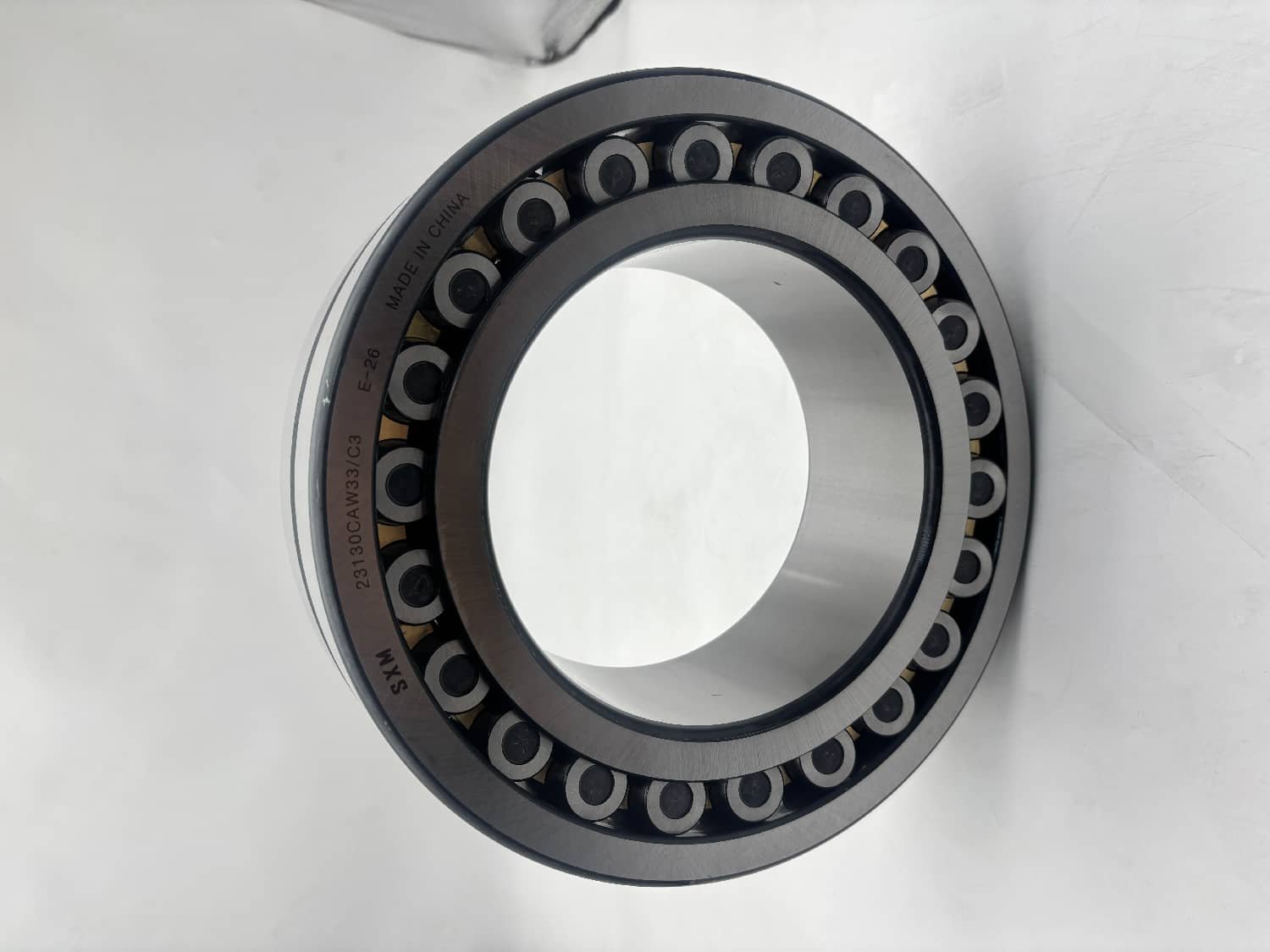
The bearing inside the housing needs a separate manufacturer and complete designation. Obtain that information from applicable documents or from a safely available record supplied by qualified maintenance personnel. Do not request unnecessary dismantling merely to complete a purchasing spreadsheet.
Preserve suffixes and distinguish the installed reference from a proposed replacement. If the marking cannot be read, keep the gap visible and provide the relevant drawing, dimensions and photographs for review. An old order can support identification, but it should be linked to the actual position and current configuration.
The SXM spherical roller bearing page is a commercial starting point when that family is documented. It does not prove that a particular housing contains a spherical roller bearing or that a listed product is suitable for the assembly under review.
Preparing a housing-related bearing enquiry? Send SXM the housing marking, separate bearing reference and current drawing or photographs. State the required quantity and whether you need a bearing-only quotation or a broader component review. Ask the team to confirm the scope it can offer.
List seals, covers and mounting components separately
An assembly photograph may show several components whose references are absent from the housing marking. Make a parts list from the applicable drawing and retain the item numbers. If the list is incomplete, ask which accessories are required and which are outside the purchasing scope.
SKF’s ordering information for its SNL 2, 3, 5 and 6 series lists housings, seals, end covers, locating rings, bearings and adapter sleeves as separately ordered items. This supports requesting an itemized offer for that system; it does not establish another supplier’s package contents or an SXM stock list. SKF bearing housings catalogue, SNL ordering information.
Describe the sealing arrangement by position
Record each side separately where the drawing distinguishes them. Retain readable seal references and photographs that show the actual arrangement. State whether a photograph shows an installed component, a removed component or a reference image from a catalogue.
A broad description such as “dust seal” does not identify the execution. Ask for the documented reference and required scope. Do not select a different seal from appearance, a general claim about harsh conditions or a housing number alone.
Preserve the sleeve and associated scope
If a sleeve, nut or locking component appears in the relevant documentation, give it a separate line. Keep the reference and quantity attached to the correct assembly. A bearing-only price should not be compared with a larger kit without making that difference visible.
This page owns the housing assembly record. A detailed sleeve-selection question belongs in a separate sleeve review. Do not assign a taper, shaft size or mounting method by copying a general example from a manufacturer’s catalogue.
Confirm the arrangement from the drawing
Ask the responsible technical contact to identify the required locating or non-locating arrangement where applicable. Preserve the drawing item and revision supporting that answer. A housing’s external appearance does not settle every internal component or the function of the support in the machine.
Record required locating components without adding them by assumption. If two supports have different documented arrangements, keep their requirements separate throughout the RFQ. Matching housing markings do not justify merging two positions into a single undifferentiated order line.
When the installed arrangement differs from an older drawing, request the relevant change record or clarification. Purchasing should retain the discrepancy rather than choose whichever source is easiest to quote. State who is responsible for resolving the question before order release.
Use dimensions to check a reference, not approve a substitute
Obtain measurements from a qualified person using a suitable method. Label units and reference surfaces. Keep housing-envelope observations, mounting-hole locations, shaft observations and bearing dimensions in distinct fields so a reviewer can see what was actually measured.
Record whether each value comes from a current drawing, a catalogue or the installed assembly. These sources answer different questions. A dimensional note is more useful when the reviewer knows its origin and the degree of uncertainty.
Do not conclude interchangeability because a mounting-hole span or overall height looks similar. Ask the supplier to identify the exact offered reference and provide the appropriate drawing for comparison. Any difference affecting the assembly remains a technical question until the responsible reviewer resolves it.
Prepare photographs that preserve the evidence
A useful first set includes an assembly overview, readable housing identification, bearing identification where already available, both sides of the sealing arrangement and the drawing extract. Add an image for a specific unresolved detail rather than sending many unrelated photographs.
Retain originals. Put arrows, labels or dimensions on copies, and keep the annotation connected to the source file. Do not recreate letters, hide a conflicting suffix or digitally improve a damaged surface into an apparently acceptable condition.
Build an itemized request that suppliers can answer
Use one shared assembly identifier and separate lines for the required components. The following is a proposed procurement record, not a bill of materials for a particular machine.
| Record | Information to attach | Question to resolve |
|---|---|---|
| Machine position | Overview and current drawing item | Which support is being reviewed? |
| Housing | Manufacturer and complete marking | Which exact variant is required? |
| Bearing | Full designation and source | Does the offered reference match the request? |
| Seals and covers | Position-specific references and photos | Which pieces are included? |
| Mounting components | Relevant sleeve and associated item references | What is the requested supply scope? |
| Arrangement | Approved document and responsible contact | Which locating components are required? |
| Dimensions | Units, reference surfaces and source | Which differences still need review? |
| Offer | Itemized references, quantities and exclusions | Are quotations being compared on the same basis? |
Ask each supplier to return the exact offered designation against each requested line. Keep exclusions and proposed alternatives explicit. Where a required item is outside a supplier’s offer, treat it as an open procurement issue rather than assuming it will arrive inside the housing carton.
Resolve a quotation mismatch before comparing price
Consider an illustrative enquiry that asks for “two complete housings.” One quotation includes bare housings; another includes specified seals; neither identifies the bearing. This is an editorial purchasing example, not an SXM customer case or a claim about any supplier’s actual practice.
The first task is to clarify the itemized requirement. Attach the same drawing and position record to every supplier’s request. Ask each supplier which components, exact references and quantities its price includes, then retain any unresolved difference as a condition of the offer.
Once the scope is clear, purchasing can compare prices and delivery proposals for equivalent documented requirements. A lower headline price is not directly comparable when essential items are outside the quotation. Likewise, a larger package should not be treated as a technical upgrade without review.
Agree document handoff and receiving checks
For stored spares, also use the industrial spare bearing storage review to keep preservation history separate from the assembly identification record.
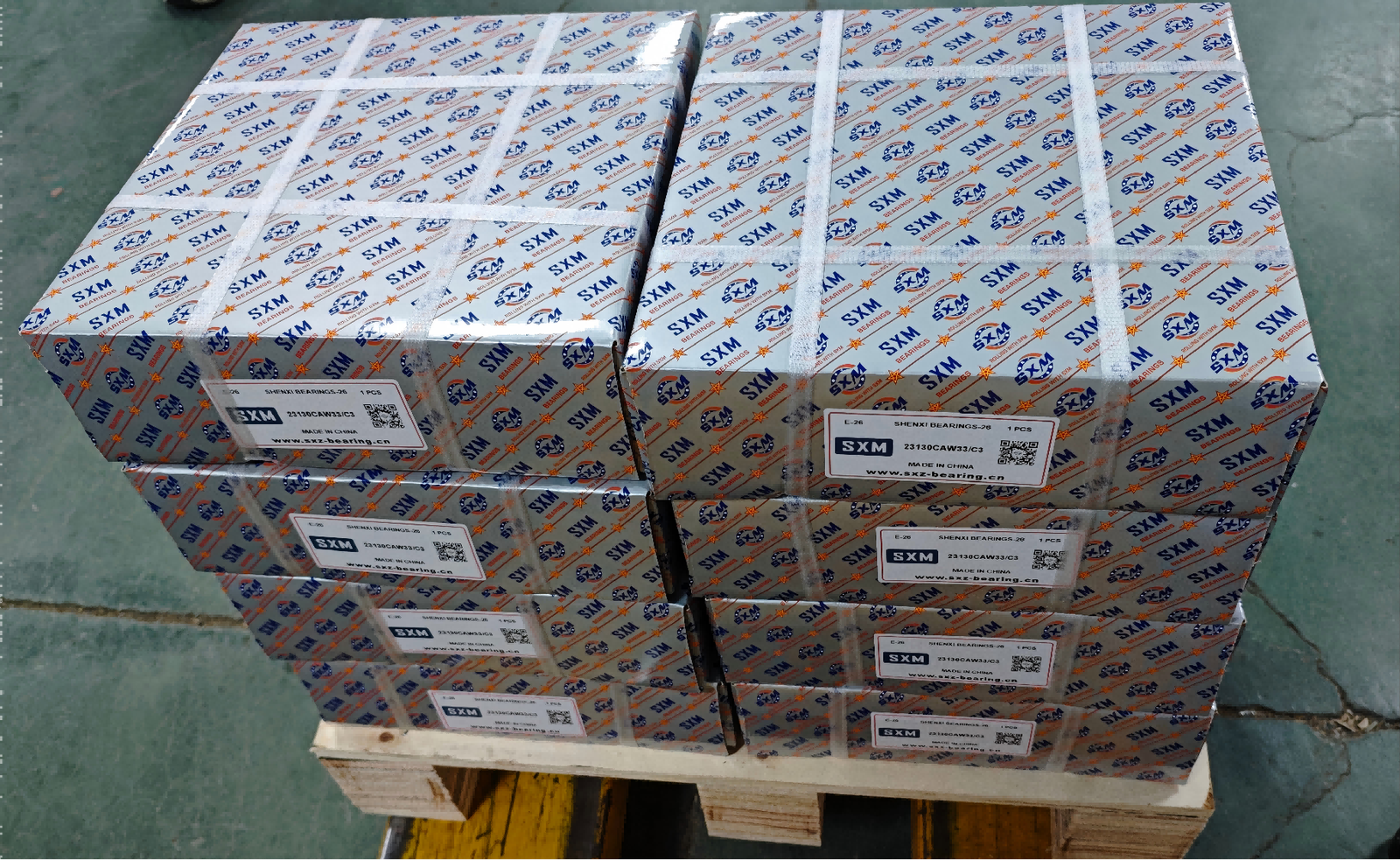
Before ordering, agree which identity photographs, drawings and packing information the supplier can provide for the actual items. Confirm the available evidence rather than assuming every order includes a standard inspection package or report.
At receipt, link the delivered references to the agreed order lines. Record a different suffix, quantity or missing accessory through the established discrepancy process before handing the components to maintenance. Retain the supplier’s clarification and the responsible review decision with the assembly record.
These are suggested recordkeeping controls. They do not claim that SXM has inspected an installed housing, completed a dimensional assessment or verified a particular replacement. Any inspection service, acceptance criterion or supporting report needs an explicit scope and real evidence.
Frequently asked questions
Can the housing number identify the bearing inside it?
Use it as one identification source. Obtain the installed bearing’s full designation and applicable assembly documentation separately. Do not turn a possible catalogue combination into a confirmed installed configuration.
Does a split housing mean the bearing is split too?
No such conclusion follows from the housing description alone. Identify the bearing construction from its own reference and documentation. Keep housing and bearing terminology separate in the enquiry.
Does “complete plummer block” include the seals and sleeve?
Ask for an itemized offer. The meaning of “complete” depends on the explicitly agreed scope. List the required components and have the supplier identify what is included or excluded.
Can I order a housing cap from its appearance?
Describe the requirement and provide identification, photographs and documents. Ask the relevant manufacturer or technical party whether that section is separately supplied and appropriate. This guide does not approve mixing housing sections.
Can matching mounting dimensions confirm an equivalent housing?
Matching observations can support a comparison, but do not establish the complete configuration. Retain the bearing, accessories, arrangement and drawing requirements for technical review before approving an alternative.
What should I send if the marking is incomplete?
Send original photographs, the readable characters, machine position, current drawing or parts list, available measurements with units and the requested scope. Label the missing information and avoid completing the number from memory.
Meet SXM in Shanghai this December

Meet SXM at Booth 3HC002, Hall 3H, at the 2026 China International Bearing Industry Exhibition, 9–12 December 2026, at the National Exhibition and Convention Center (Shanghai). Bring your available component markings, assembly drawings and replacement questions for discussion.
How to register and request a meeting
Visit the official exhibition website, then use the organizer’s English visitor pre-registration form. The form presents essential information, a questionnaire and confirmation. Follow the organizer’s current instructions and retain your registration confirmation.
Exhibition registration and an SXM meeting request are separate. Contact SXM to request a booth meeting with your preferred date, company, component references and questions. Ask the team to confirm the meeting time; sending a request does not reserve a slot.
Conclusion
A useful housing enquiry connects the exact support position to separate housing, bearing and accessory records. Clear source labels and an itemized offer help prevent scope differences from being hidden inside a short part description. Resolve identification and arrangement questions before a proposed substitute becomes an order.
Contact SXM with your replacement bearing requirement, including the housing reference, bearing marking, quantity, drawing and available photographs. List required accessories separately and ask for written confirmation of the offered scope and any differences.